Day 0
Overnight travel to NJP
Travel overnight to New Jalpaiguri Railway Station.
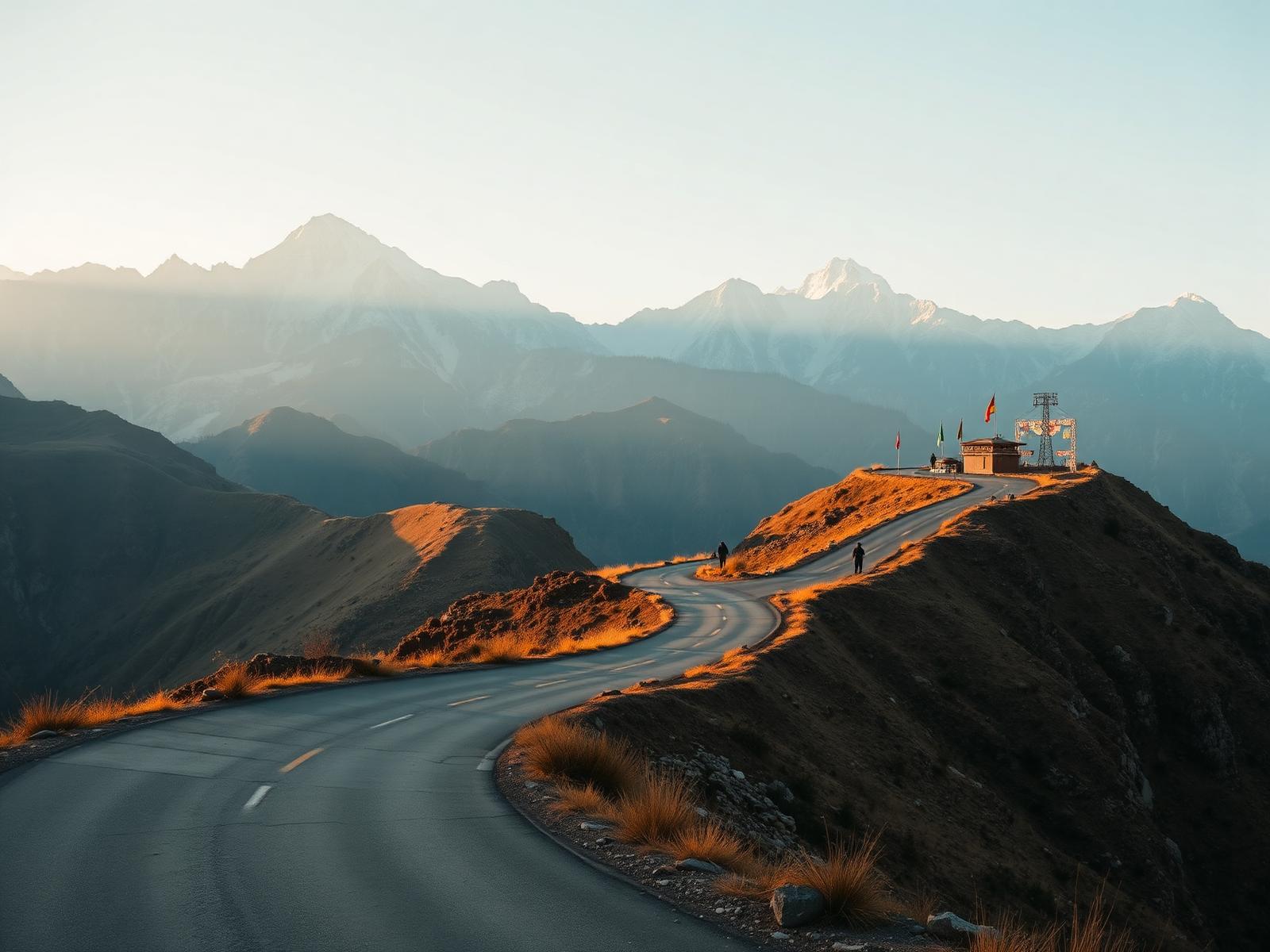
A journey through the eastern Himalayas' historic trade corridor across Pedong, Aritar and Zuluk, following settlements, monasteries and mountain landscapes that shaped its story.
Old Silk Route heritage experience follows one of the eastern Himalayas' historic trade corridors, where merchants, travellers and mountain communities exchanged goods, stories and traditions for generations.
Rather than treating the Old Silk Route as a scenic road trip, this journey explores the people, settlements and landscapes that shaped its history.
Through heritage walks, village interactions and cultural storytelling, travellers gain a deeper understanding of how these mountain communities developed along one of the region's most significant historic routes.
Travel overnight to New Jalpaiguri Railway Station.
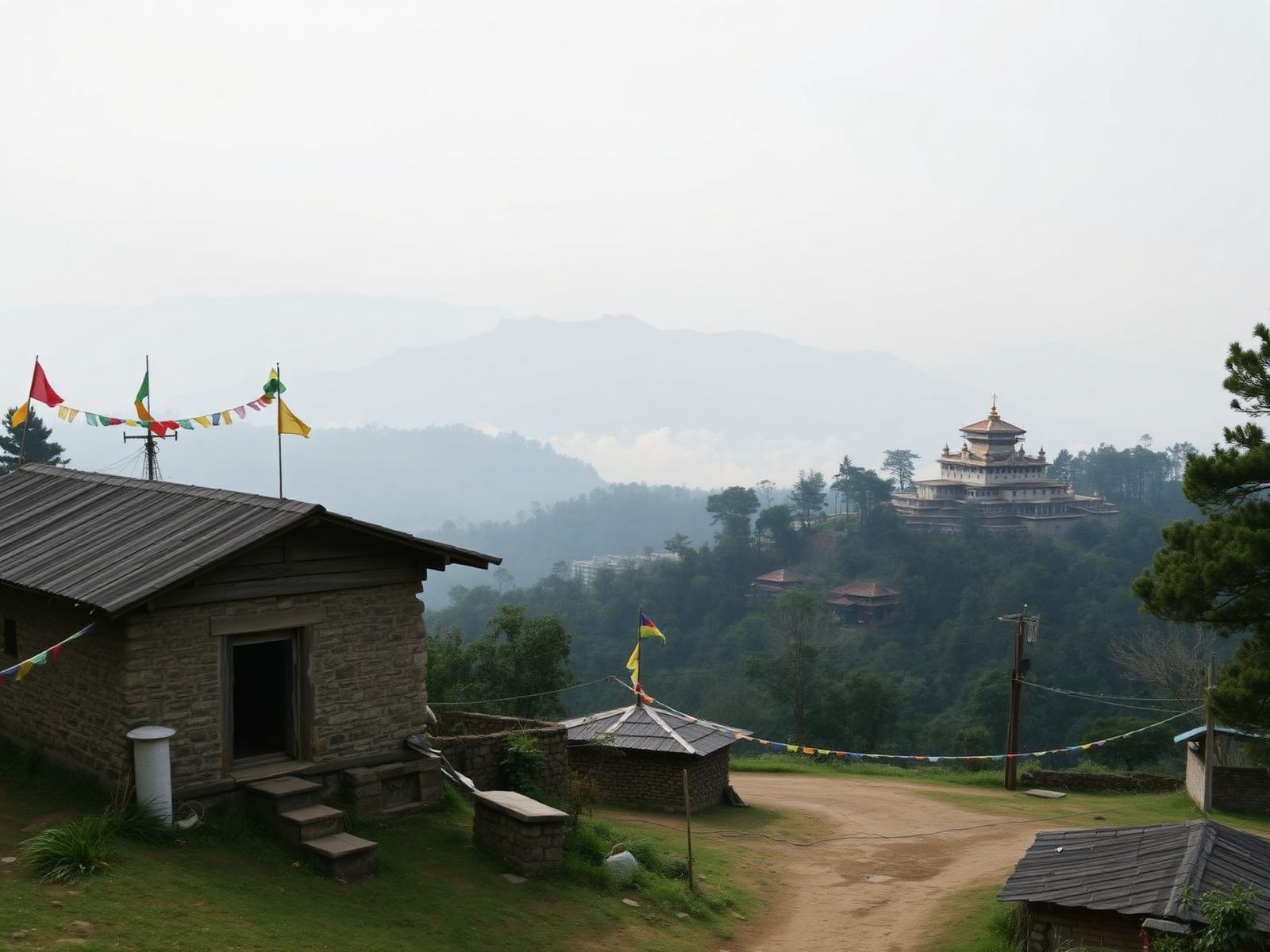
Arrive at NJP in the morning and transfer to Pedong. Travel time is approximately 4 to 5 hours. After arriving, begin exploring Pedong through a guided heritage walk introducing the region's historic importance and local communities. Visit a nearby monastery before checking into your accommodation. Overnight stay.
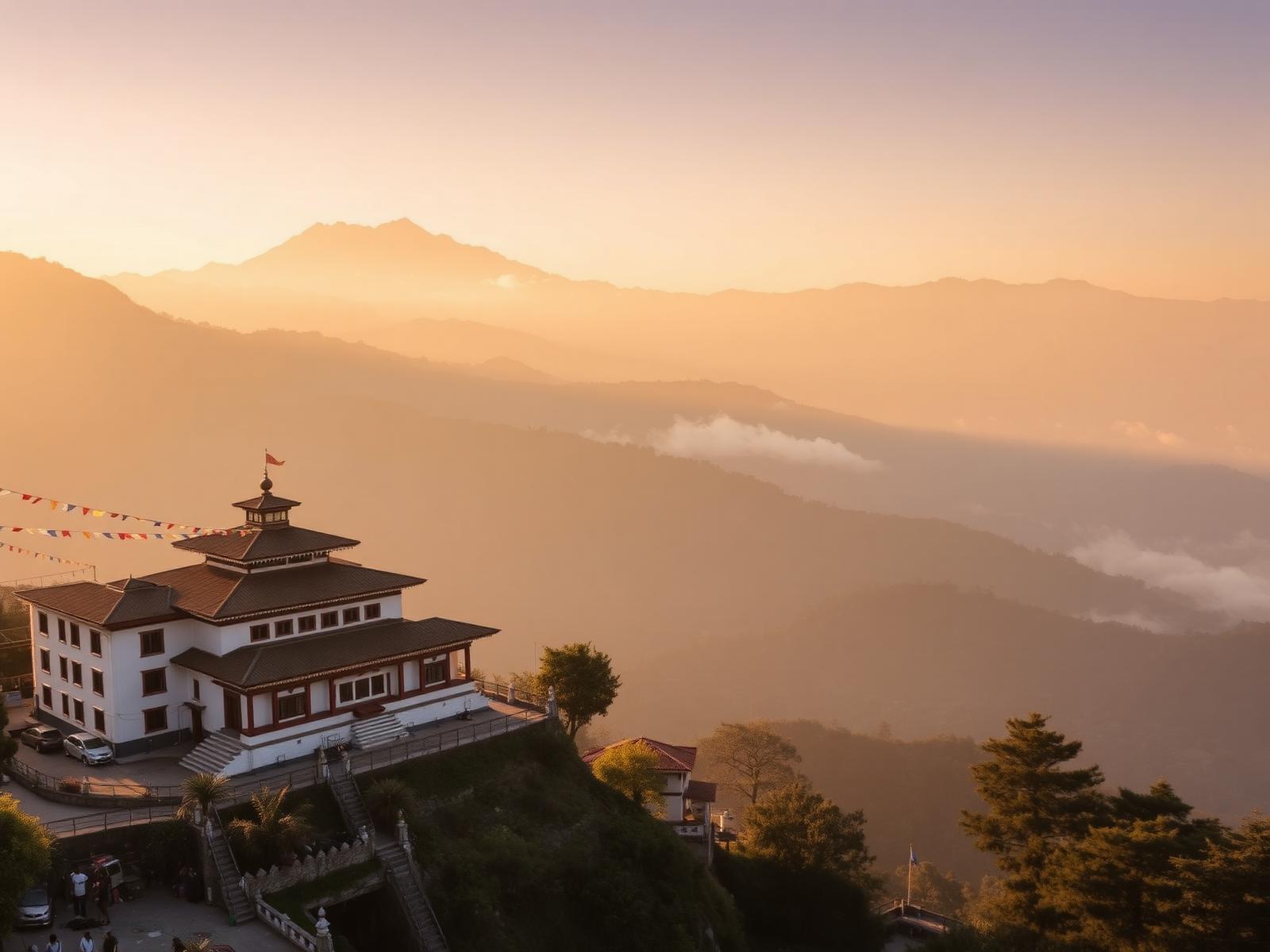
Travel towards Aritar. Spend the day exploring one of the region's historic settlements while learning about traditional mountain life and local architecture. In the afternoon, continue with cultural storytelling sessions focused on the communities that lived and travelled along the historic trade route.
Travel onwards towards Zuluk. Explore sections of the historic Old Silk Route while learning about its strategic importance and the role it played in connecting Himalayan regions. Continue with visits to heritage locations and cultural landmarks before concluding the day with a final storytelling session.
Enjoy breakfast before departing for NJP. Travel time is approximately 6 to 7 hours. The journey concludes at NJP.
Train tickets to and from NJP are not included.
Any personal expenses during the trip are borne by travellers.
Permit-related costs, where applicable, are not included.
Activities that are not listed under inclusions are not part of the journey cost.
Reserve your place with us. We respond personally to every enquiry.
For centuries, this mountain corridor connected the eastern Himalayas with Tibet, allowing trade, cultural exchange and movement between distant communities.
Villages along the route developed as resting points for traders, travellers and local communities adapting to life in the high mountains.
Beyond goods, the route carried languages, traditions, beliefs and stories that continue to influence the region today.
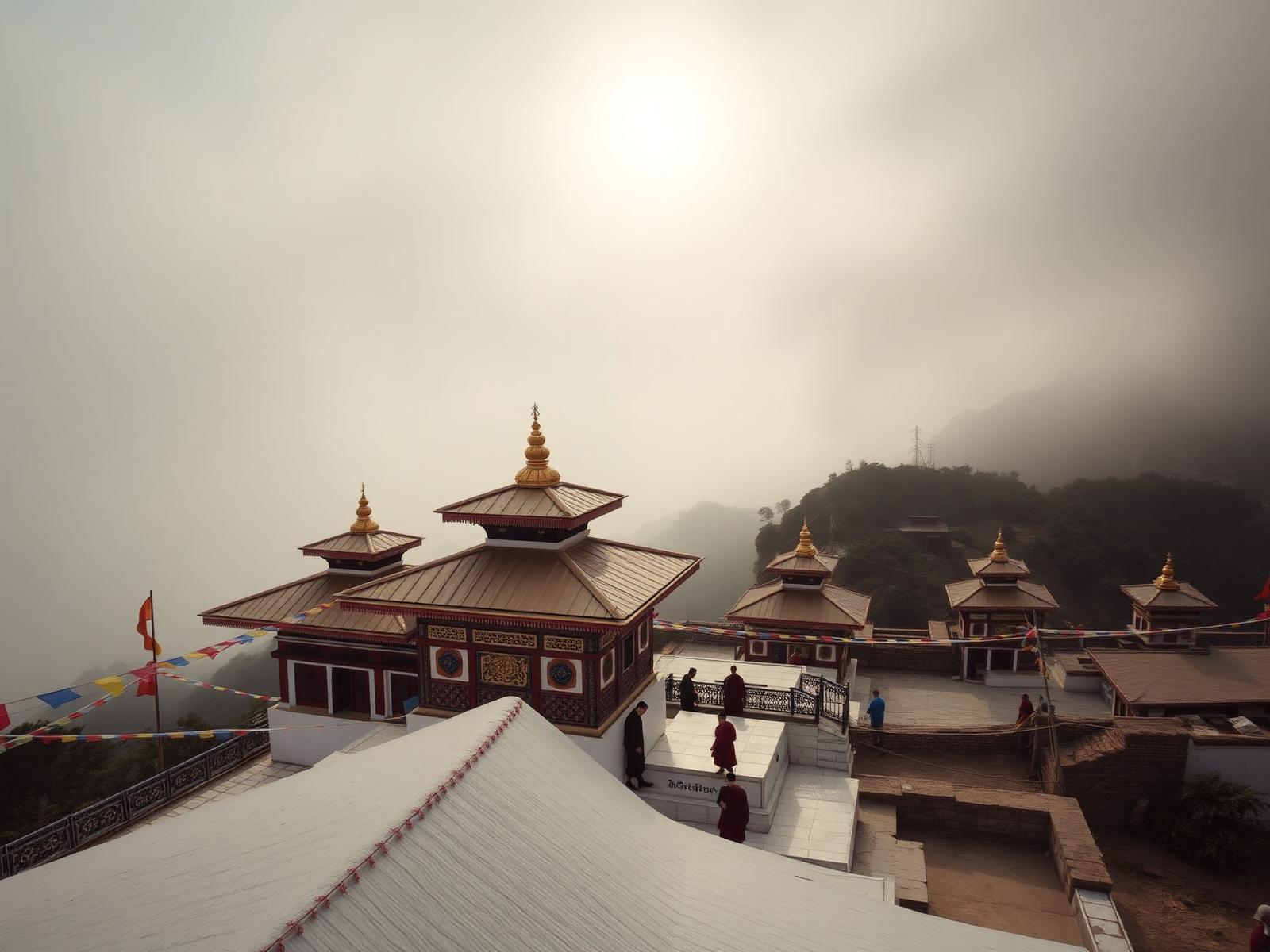
Monasteries along the route became important centres of learning, hospitality and community life.
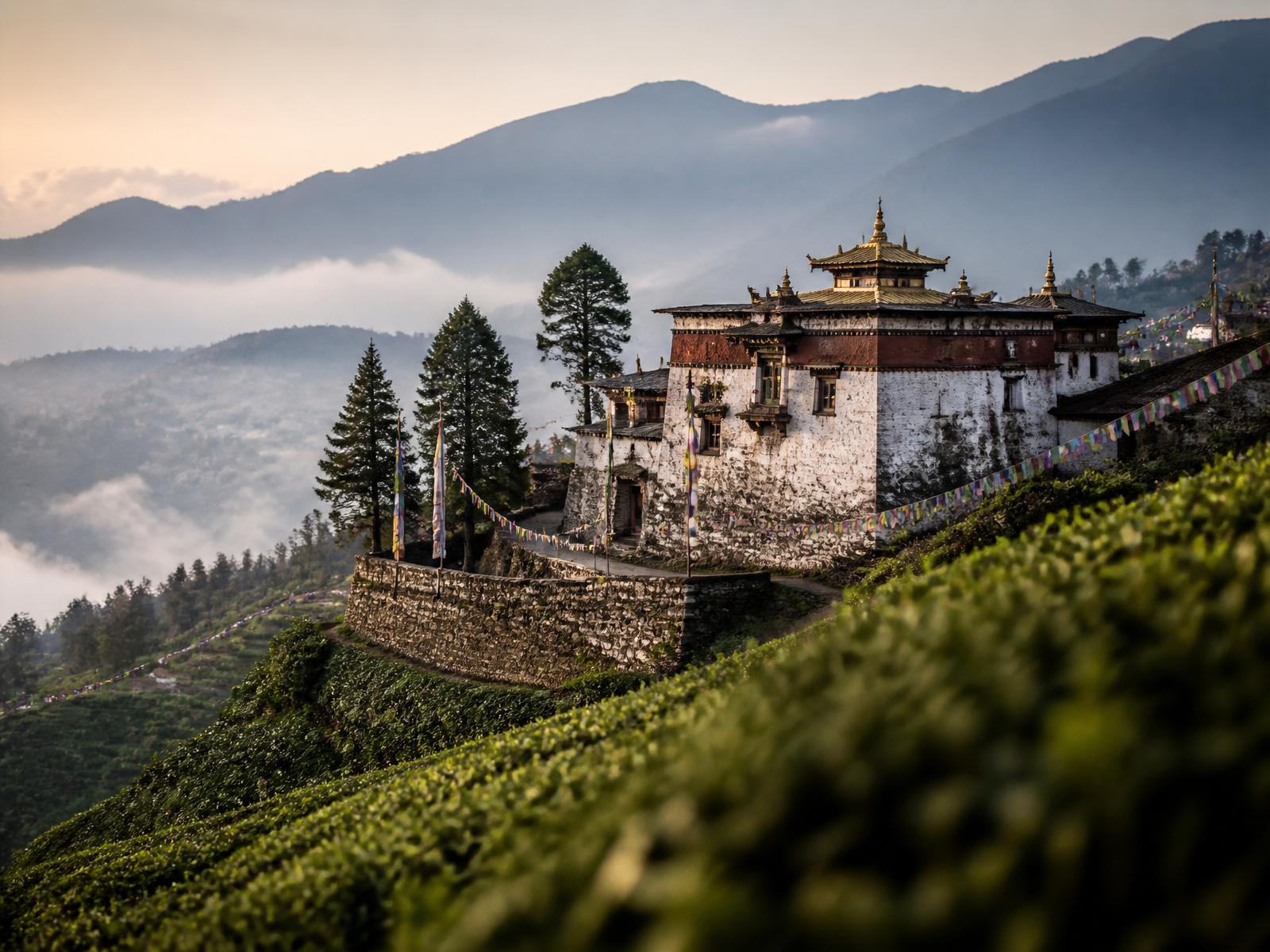
The mountains, valleys and passes that once shaped trade routes now provide a remarkable setting for understanding Himalayan history.
Travelling respectfully through these communities helps preserve both their heritage and the landscapes that have supported them for generations.